What to know about Wandsworth council business waste licences
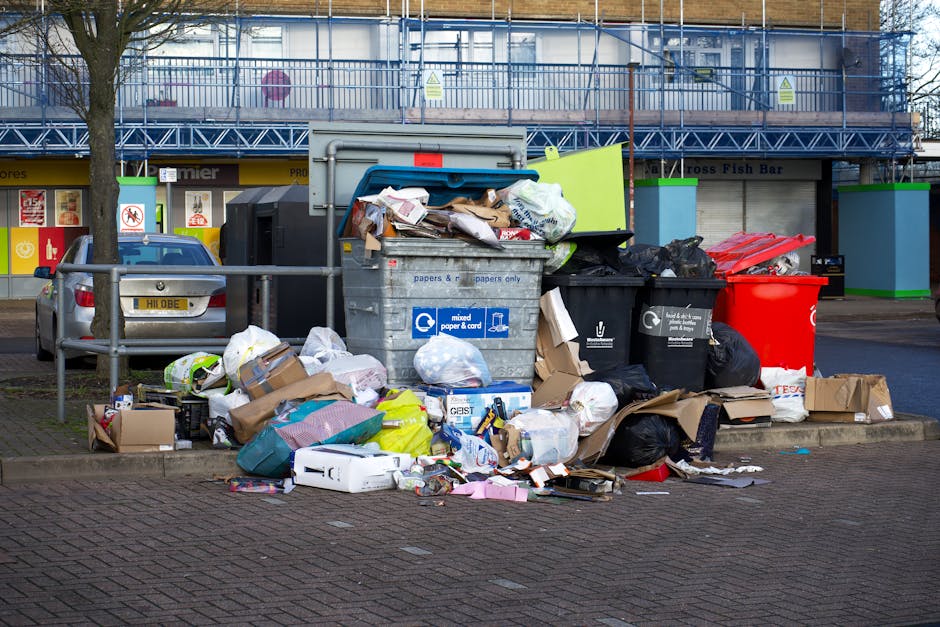
If you run a business in Wandsworth, waste can become a headache faster than most people expect. One day it is a few cardboard boxes, the next it is bags of packaging, old office furniture, trade waste, or a stockroom clear-out that suddenly needs sorting. That is where What to know about Wandsworth council business waste licences becomes genuinely useful. It is not just red tape. It shapes how your waste is collected, who can take it away, and whether you are staying on the right side of local rules.
Truth be told, a lot of business owners only think about waste licences when something goes wrong: a missed collection, a complaint from a neighbour, or a request for proof that their waste was handled properly. This guide walks through the practical side in plain English so you can make sensible decisions, avoid costly mistakes, and keep your business moving without the usual faff.
By the end, you will know what these licences are for, how they tend to work in practice, what to check before booking a clearance, and how to build a simple, compliant routine around business waste in Wandsworth.
Why What to know about Wandsworth council business waste licences Matters
Business waste is not the same as a normal household bin bag. That sounds obvious, but in day-to-day life it gets blurred very quickly. A cafe's food packaging, a salon's disposable items, a shop's old display materials, or a small office's outdated chairs all count as commercial waste. If it is generated by a business, it needs to be managed as business waste.
In Wandsworth, as in most London boroughs, the big question is not just "can this be collected?" but "who is responsible, and is the collection happening properly?" A business waste licence or permitted arrangement matters because it helps show that waste is being moved and disposed of in a controlled, traceable way. That matters for your compliance, your reputation, and quite frankly your peace of mind.
You also need to think about neighbours and public space. A van blocking a street, bags left out too early, or waste piled near a shopfront can create complaints quickly. Once that happens, the issue is no longer just tidiness. It becomes a council, licensing, and liability conversation. Not ideal on a Monday morning.
If you are dealing with business waste alongside a bigger office or stockroom clear-out, it can help to look at services such as business waste removal and office clearance so you can match the collection method to the type of waste you actually have. That simple match often avoids the messy middle ground where people guess, and guessing is rarely a good plan here.
Key point: the licence question is really about responsibility. Who is moving the waste, under what permission, and with what evidence if anyone asks later?
How What to know about Wandsworth council business waste licences Works
The practical process usually starts with identifying whether the waste is commercial, where it is being stored, and how it will be collected. For many businesses, the council's role is linked to local permissions, public space use, and enforcement, while the collection side is handled by an approved waste carrier or a waste contractor operating lawfully.
Here is the simplest way to think about it: if waste leaves your business premises, you need to know that it is going to the right place and that the person taking it has the proper authority to do so. A licence, permit, or equivalent arrangement helps establish that chain.
Depending on your situation, you may need to consider:
- whether the waste is being stored on private premises or in a public area
- whether a skip, container, or van will sit on the road
- whether the collection is from a shop, office, yard, flat, or mixed-use site
- whether the waste includes recyclable materials, bulky items, or mixed loads
- whether the contractor can show suitable waste handling arrangements
A small office with three bin bags and a printer, for example, has a very different setup from a builder clearing rubble from a job in a narrow Wandsworth street. One is about regular collection. The other may involve more visible access issues, traffic considerations, and local permission requirements.
This is also where service choice matters. A general waste removal service can suit mixed commercial loads, while specialist support such as builders waste clearance is better for trade-heavy waste streams. The wrong fit does not just waste money. It can create delays and awkward questions later.
Most businesses do best when they treat waste management as a routine part of operations, not a one-off fix. A quick monthly review can save a lot of stress. And yes, that sounds boring. It is boring. But boring is beautiful when compliance is involved.
Key Benefits and Practical Advantages
Understanding business waste licences is not just about avoiding trouble. There are some very real practical benefits too.
1. Fewer compliance surprises
When you know what permissions apply, you are less likely to be caught out by a licence issue, a blocked street, or a contractor who cannot explain how your waste will be handled. That kind of certainty is worth a lot when your day is already packed.
2. Cleaner premises and better first impressions
For shops, cafes, offices, and customer-facing businesses, a tidy waste setup makes a visible difference. People notice overflowing bags, a messy rear entrance, or old furniture left in a corridor. They notice the smell too, especially in warmer weather. A good system helps keep the whole place feeling calm and professional.
3. Better recycling outcomes
Licences and proper collection arrangements often go hand in hand with more disciplined sorting. That can make it easier to separate cardboard, metal, timber, furniture, and general waste. If sustainability is part of your business story, this matters. You might also want to see the company's approach to recycling and sustainability if you are comparing how waste is handled from start to finish.
4. Easier record-keeping
Good waste arrangements create a trail. If you ever need to show what was removed, when it was collected, or which contractor handled it, you are not scrambling around for scraps of paper at 4:55pm on a Friday.
5. Lower operational friction
With the right plan in place, staff know where waste goes, who orders collections, and what to do with bulky items. That makes day-to-day work smoother. Less chaos. Fewer half-finished "we'll deal with it later" piles.
Practical advantage: a sensible waste licence setup supports both compliance and convenience, which is usually the sweet spot businesses are after.
Who This Is For and When It Makes Sense
This topic matters to a much wider group than people often assume. If your business creates waste, you need to understand the rules around collection and licensing, even if the volumes are small.
- Retailers managing packaging, damaged stock, fixtures, or display materials
- Offices clearing desks, IT equipment, paper waste, and furniture
- Cafes and restaurants dealing with packaging, food-related waste, and regular bin overflow
- Landlords and property managers clearing commercial units between tenants
- Tradespeople who need safe, lawful disposal of building or refurbishment waste
- Salons, clinics, studios, and small service businesses with regular operational waste
It also applies when a business is changing shape. Maybe you are downsizing, maybe the shop has stopped trading, or maybe you have inherited a cluttered office that looks like it has not been touched properly since the early 2000s. In those moments, the licensing and collection side becomes more important, not less.
For example, an office moving out of a Wandsworth high street building may need clearance of chairs, storage units, old files, and general junk. A service such as office clearance can be the cleaner route than trying to split the job between several collections and hoping it all works itself out. It usually does not.
If you are unsure whether your waste is more general or more commercial in nature, err on the side of caution. A quick assessment now is better than a sticky situation later.
Step-by-Step Guidance
Here is a practical way to handle business waste licensing and collection in Wandsworth without overcomplicating it.
- Identify the waste type. Is it packaging, office furniture, trade waste, food-related waste, or bulky items? Mixed waste needs more careful handling than a simple bin load.
- Work out where the waste sits. Is it inside the premises, in a private yard, on the pavement, or somewhere else public-facing? Location affects permissions.
- Check whether the collection needs a licence or permit. If a skip, container, or vehicle will use the public highway, extra permissions may be needed. Keep this in mind early, not the evening before.
- Choose the right disposal route. Regular bin collections, ad hoc removals, and full clearances are different jobs. Match the method to the volume and type of waste.
- Ask about waste documentation. A proper contractor should be able to explain how the waste is handled and what evidence you may receive.
- Schedule collections with business hours in mind. Think about customer flow, loading access, and noise. Nobody wants collection lorry drama outside peak service time.
- Keep a simple internal process. Decide who orders collections, where waste is stored, and who checks that the area stays tidy.
If your business has seasonal spikes, build in flexibility. A small shop may barely generate waste in quiet weeks, then suddenly need a clear-out before stock rotation or a refit. Planning for that fluctuation prevents last-minute scrambles.
One useful habit is to review waste at the same time you review stock or facilities. It sounds small, but it works. If the back room is filling up, you will usually spot other problems too.
Expert Tips for Better Results
In our experience, the businesses that handle this best tend to do a few simple things consistently.
Keep waste streams separate where possible
Cardboard, metals, timber, office furniture, and general rubbish do not all need to be mixed together. Separation can improve efficiency and help a contractor route waste more appropriately. It also makes the site look less like a midnight jumble sale.
Don't wait until the pile becomes a problem
If waste is starting to block a fire exit, a loading bay, or staff access, you have already waited too long. That is a very common issue in smaller premises where every square metre matters. Small spaces fill quickly. Very quickly.
Ask direct questions before booking
Ask what happens if the waste includes mixed items, whether loading access is needed, and whether the contractor can manage heavy or bulky items safely. Good providers are usually happy to explain. Vague answers are not a great sign.
Match the service to the setting
A retail unit, an office, and a construction site are not interchangeable. If you need something bespoke, the right fit may be a specialised service like builders waste clearance or a broader commercial solution. Choosing well the first time saves time, money, and a bit of grey hair.
Think about the people who work there
Waste plans should be easy for staff to follow. If the system is too complicated, people will improvise. And once people improvise, bins mysteriously move, bags pile up, and everyone starts asking who was supposed to take care of it. You know the scene.
Common Mistakes to Avoid
A lot of waste problems are not dramatic. They are small mistakes repeated until they become inconvenient. Here are the big ones to avoid.
- Assuming all waste collectors are the same. They are not. Check how they handle business waste, not just whether they can turn up with a van.
- Leaving collections until the last minute. Access issues, permit questions, and scheduling can all slow things down.
- Mixing incompatible waste types. Some loads are harder to manage and may need a different approach.
- Ignoring where the waste is stored. Public-space storage often needs more care than a private yard or indoor bin store.
- Forgetting about bulky items. Old desks, shelving, and cabinets take up more room than expected. One office chair is fine. Ten office chairs are a small rebellion.
- Not keeping records. Even basic notes about collection dates and contractors can be helpful.
Another common issue is assuming a one-time clear-out solves a recurring waste problem. Sometimes it does. Often it just resets the clock. If your business generates waste every week, you need a system, not a rescue mission.
Tools, Resources and Recommendations
You do not need a complex system to keep control of business waste. A few simple tools can make a surprising difference.
- Waste log: a basic spreadsheet or notebook with collection dates, waste types, and contractor details
- Site checklist: a short internal checklist for staff to confirm bin areas, storage points, and access routes
- Floor plan or access notes: especially useful for premises with narrow entrances, stairs, or shared access
- Photo records: useful before a clearance, especially for bulky or mixed loads
- Service comparison notes: keep track of whether you need ongoing collection or a one-off job
For businesses that need occasional clear-outs, it can help to compare clearance options against more general disposal support. A furniture disposal service may be enough for a small batch of desks or chairs, while a broader waste removal service is usually better for mixed business waste. The right option depends on what is actually there, not what feels easiest in the moment.
If you want to understand the provider better, a simple review of their service information and company pages can help. The details may look dry, but they tell you a lot about how the business operates.
Law, Compliance, Standards, or Best Practice
With waste, there is always a compliance angle. The exact permissions and licence requirements can vary depending on what is being collected, where it is stored, how it is transported, and whether public land is involved. It is wise to treat the council as part of the picture, but not the whole picture.
In practical terms, businesses should focus on a few fundamentals:
- Use lawful waste collection arrangements. The contractor should be able to explain how the waste is transported and managed.
- Do not place waste in public areas without checking permissions. That includes skips, containers, and temporary storage on pavements or roads.
- Keep proof of collection where appropriate. Documentation can be useful if questions arise later.
- Store waste safely. That means considering fire risk, obstruction, pests, and access.
- Train staff on the basics. Even a short briefing helps prevent accidental problems.
Best practice is often about common sense done consistently. You do not need a grand system. You need a clear one. A business that knows where its waste goes is usually already halfway to being compliant.
If your premises regularly handle people, equipment, or sensitive items, it may also be sensible to review health and safety policy and insurance and safety details alongside waste arrangements. Waste and safety tend to overlap more than people think.
Options, Methods, or Comparison Table
Not every business needs the same waste solution. Here is a quick comparison to make the decision easier.
| Method | Best for | Strengths | Watch-outs |
|---|---|---|---|
| Regular commercial collections | Businesses with steady waste output | Predictable, simple, easy to manage | May not suit bulky or one-off clear-outs |
| One-off waste removal | Moves, refurbishments, stock changes | Flexible and fast | Needs a clear plan for access and sorting |
| Office clearance | Desks, chairs, fittings, mixed office items | Good for end-of-lease or relocation jobs | Can get complicated if documents and electronics are involved |
| Builders waste clearance | Trade waste, renovation debris, heavy materials | Useful for site clean-downs and refurb work | May involve tighter access and timing constraints |
| Furniture disposal | Single items or smaller furniture batches | Simple for chairs, tables, cabinets | Not always enough for larger mixed loads |
To be fair, most businesses use a mix over time. A cafe might have regular collections but still need a one-off clearance after a fit-out. An office may only need occasional removals, then suddenly need a full clearance when the lease ends. That is normal.
Case Study or Real-World Example
Picture a small design studio in Wandsworth that has just outgrown its space. There are two old desks, a pile of sample boards, broken shelving, a handful of chairs, and a steady stream of cardboard from deliveries. Nothing dramatic on its own. Together, though, it is enough to clog the back room and make the place feel cramped.
The team initially thinks they can manage it with a few bin bags and a weekend trip to sort it out. Then they realise some of the items are bulky, the loading access is awkward, and the waste has built up enough that staff are constantly stepping around it. That is when the idea of a proper clearance becomes more sensible than heroic.
They review the waste type, separate the cardboard from the furniture, and book a suitable commercial removal. The office feels different almost immediately. You can hear yourself think again. The back room is usable. Staff stop stacking things in corners "just for now". And importantly, the business has a clearer record of what was removed and how.
It is a modest example, but that is the point. These issues are usually modest until they are not. A small decision made early can save a bigger problem later.
Practical Checklist
Use this checklist before arranging any business waste collection in Wandsworth:
- Confirm whether the waste is commercial or mixed commercial waste
- Check where the waste will be stored before collection
- Work out if any public space, road, or pavement use is involved
- Choose the right collection type for the waste volume and item size
- Ask how the contractor handles licensing, permits, or collection permissions
- Make sure access routes are clear for staff and vehicles
- Separate recyclable items where possible
- Keep a simple record of dates, items, and contractor details
- Brief staff so everyone follows the same process
- Review the setup regularly instead of waiting for a backlog
If you can tick most of those boxes, you are already in much better shape than many businesses. Small habits. Big difference.
Conclusion
What to know about Wandsworth council business waste licences comes down to one simple idea: if your business creates waste, you need a clear, lawful, and practical way to deal with it. The council side matters, the contractor side matters, and your own internal process matters too. Get those three lined up properly and the whole thing becomes much easier to manage.
The good news is that you do not need to turn waste management into a giant project. A sensible routine, the right collection method, and a bit of record-keeping go a long way. Once that is in place, the process stops being a nuisance and starts being just another part of running a tidy, reliable business.
If you are comparing services or planning a clear-out, it may also help to review pages such as about us, pricing and quotes, and contact us so you can make your next step with a bit more confidence.
Get a free quote today and see how much you can save.
Handle the waste well, and the rest of the week tends to feel lighter. Funny how that works.
Frequently Asked Questions
Do I need a business waste licence in Wandsworth for every collection?
Not necessarily. The need depends on the type of waste, where it is stored, and how it is being collected. Some collections are straightforward, while others may need permission or a licence if public space is involved. It is best to check before arranging anything.
What counts as business waste?
Anything generated by your business activity counts as business waste. That includes packaging, broken furniture, office items, trade debris, stock waste, and materials from clear-outs. If it comes from the business, treat it as business waste.
Can I leave business waste outside my premises?
Only if the arrangement is permitted and safe. Leaving waste outside can cause obstruction, complaints, and possible compliance issues. If you are using a public-facing area, check the permissions first.
Is office furniture handled differently from general waste?
Usually yes. Office furniture is bulky and often needs a tailored collection method. It may be more suitable for a dedicated office clearance or furniture-specific disposal approach than for a standard bin collection.
What should I ask a waste contractor before booking?
Ask what type of waste they handle, whether they manage bulky items, how access is arranged, and whether they can explain the collection process clearly. If they seem vague, that is worth paying attention to.
Do I need records for business waste collections?
It is a very good idea. Even simple records of collection dates, waste types, and contractor details can help if you ever need to check what happened later. It is one of those small admin habits that saves time.
What if my business only produces a little waste?
Even small amounts still need to be handled properly. A low volume does not remove your responsibility. You may just need a lighter-touch arrangement rather than a larger scheduled collection.
Can mixed waste be removed together?
Sometimes, yes, but mixed loads can be more awkward to process. Separation is usually better where possible. If you are unsure, ask the contractor what they recommend for your particular load.
How do I know whether I need a one-off clearance or ongoing collections?
If your waste builds up regularly, ongoing collections usually make more sense. If you are moving, refurbishing, or clearing out a premises, a one-off clearance is often the better fit. The pattern of waste tells you a lot.
What is the biggest mistake businesses make with waste in Wandsworth?
Probably leaving it too late and then rushing decisions. That is when access, storage, and permission issues all pile up together. A little planning goes a long way here.
Can I combine business waste with household items during a clearance?
It depends on the job and how the waste is being managed. Some clearances may involve mixed contents, but it is still best to be clear about what is business-related and what is not. That clarity helps avoid confusion and poor planning.
Who should I speak to if I want help arranging removal?
Speak to a provider that handles business waste properly and can explain the process in plain English. If you want to explore the practical options first, start with the service pages and then move to the contact information once you know what kind of job you need.